
Overview Table: Phone Overheating Causes and Long-Term Solutions
| Area | Common Cause | Long-Term Prevention |
|---|---|---|
| Processor Load | Heavy apps and multitasking | Usage discipline and app management |
| Battery Stress | Fast charging and aging cells | Optimized charging habits |
| Environment | Heat exposure and poor ventilation | Temperature-aware usage |
| Software | Bugs and background processes | Regular updates and audits |
| Network Activity | Weak signals and constant syncing | Network optimization |
| Hardware Design | Compact build and poor heat dissipation | Case choice and handling |
| User Behavior | Gaming, recording, charging simultaneously | Smarter usage patterns |
| Storage and Memory | Near-full storage and RAM pressure | Periodic cleanup |
| Accessories | Low-quality chargers and cables | Certified accessories |
| Long-Term Health | Neglect and wear | Preventive maintenance |
Introduction
Phones Overheat Smartphones have become constant companions, managing communication, work, entertainment, navigation, payments, and health tracking. As these compact devices take on more responsibility, they are pushed closer to their physical and technical limits. One of the most common and concerning symptoms of this pressure is overheating.
Phones Overheat is not just an inconvenience. It affects performance, battery health, safety, and device lifespan. In severe cases, it can lead to automatic shutdowns, data loss, or permanent hardware damage. Understanding why phones overheat and how to prevent it in the long term is essential for anyone who relies on a smartphone daily.
This article examines Phones Overheat from multiple angles: technical design, real-world usage, environmental factors, software behavior, and long-term maintenance. The goal is not quick fixes, but sustainable habits and informed choices that keep your phone cool, efficient, and reliable over time.
Understanding Heat in Smartphones
Why Heat Is Unavoidable in Phones
Heat is a natural byproduct of electronics. Every calculation, data transfer, and signal transmission generates heat. Smartphones pack processors, batteries, radios, sensors, and displays into a tightly confined space with no active cooling system like fans.
As Phones Overheat become more powerful and slimmer, managing heat becomes increasingly challenging. Manufacturers rely on passive cooling methods such as heat spreaders, graphite sheets, and metal frames. These solutions work within limits, but they depend heavily on how the phone is used.
Phones Overheat occurs when heat generation exceeds the device’s ability to dissipate it.
Normal Warmth vs Dangerous Overheating
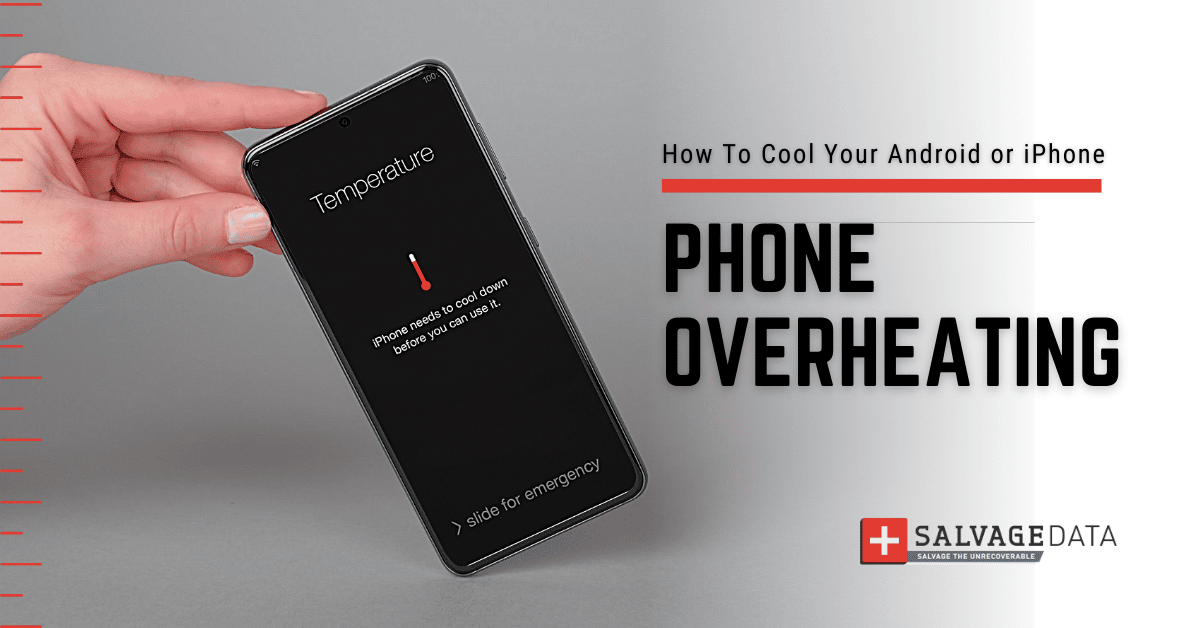
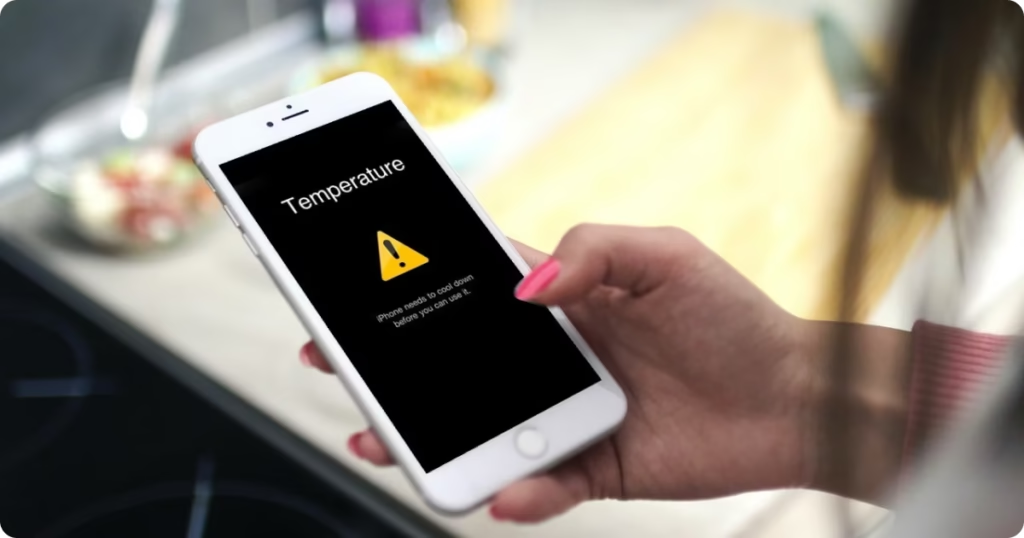
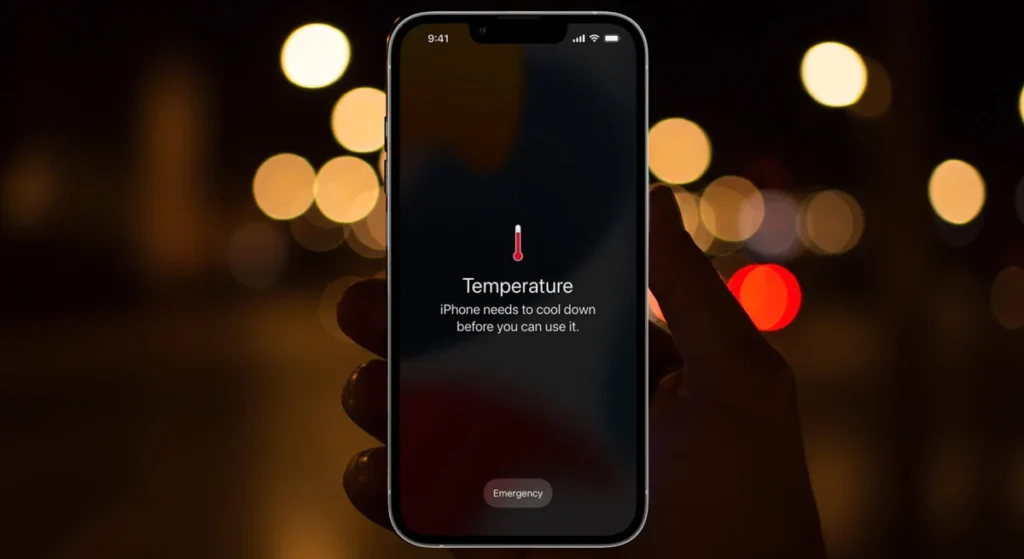
It is normal for phones to feel warm during tasks like video streaming, navigation, gaming, or charging. Dangerous Phones Overheat is different. It involves sustained high temperatures that trigger performance throttling, warning messages, or shutdowns.
Understanding this distinction helps users respond appropriately instead of panicking over normal warmth or ignoring serious warning signs.
Processor Load and Performance Pressure
The Role of the Processor
The processor is the brain of the Phones Overheat smartphone. It handles everything from opening apps to processing photos and managing network connections. When under heavy load, it consumes more power and generates more heat.
Modern processors are extremely powerful, but power efficiency varies based on task type, app optimization, and thermal conditions.
Common Processor-Heavy Activities
Gaming, high-resolution video recording, augmented reality apps, and intensive multitasking push the processor to its limits. Background processes such as syncing, backups, and analytics can add to the load without visible signs.
Sustained processor stress is one of the most common causes of overheating.
Long-Term Prevention Strategies
Avoid running multiple heavy apps simultaneously. Close apps that are no longer in use. Be mindful of background services. Over time, disciplined usage reduces thermal stress and improves overall device longevity.
Battery Stress and Heat Generation
Why Batteries Generate Heat
Lithium-based batteries generate heat during charging and discharging. Fast charging increases current flow, which raises temperature. Aging batteries also become less efficient, producing more heat for the same amount of energy.
Heat and battery health are closely linked. Excessive heat accelerates battery degradation, which in turn leads to more heat generation, creating a cycle of decline.
Charging Habits That Increase Heat
Charging while using the phone, charging in hot environments, and leaving the phone plugged in for extended periods all increase thermal stress. Using uncertified chargers exacerbates the problem.
Long-Term Battery Care
Charge your phone in cool, ventilated areas. Avoid heavy usage while charging. Unplug once charging is complete. Over the long term, these habits preserve battery health and reduce overheating incidents.
Environmental and External Heat Factors
The Impact of Ambient Temperature
Phones Overheat are designed to operate within a specific temperature range. Exposure to direct sunlight, hot cars, or high ambient temperatures reduces the phone’s ability to release internal heat.
Using a phone outdoors in hot weather or leaving it on a dashboard can quickly push it beyond safe limits.
Ventilation and Surface Contact
Placing a phone on soft surfaces like beds or couches traps heat. Tight pockets and thick cases also reduce airflow.
Long-Term Awareness
Treat your phone like any other sensitive electronic device. Keep it shaded, well-ventilated, and away from heat sources. Environmental awareness is one of the simplest and most effective preventive measures.
Software Behavior and System Inefficiencies
How Software Affects Heat
Poorly optimized apps, background loops, memory leaks, and system bugs can cause continuous processor activity. This invisible workload leads to unexpected overheating even during light usage.
Operating systems evolve, but older apps may not always keep pace with changes, leading to inefficiencies.
The Importance of Updates
System and app updates often include performance and thermal optimizations. Delaying updates can leave known issues unresolved.
Long-Term Software Hygiene
Regularly update your operating system and apps. Remove apps you no longer use. Review background permissions and activity. A clean software environment reduces unnecessary heat generation.
Network Activity and Signal Strain
Why Weak Signals Cause Heat
When a Phones Overheat struggles to maintain a network connection, it increases transmission power to stay connected. This extra effort generates heat, especially during calls, streaming, or navigation in low-signal areas.
Constant switching between networks also increases processor and radio activity.
Common Scenarios
Using mobile data in remote areas, inside elevators, or in buildings with poor reception often leads to noticeable heating.
Smarter Connectivity Habits
Use stable Wi-Fi whenever possible. Disable unused radios like Bluetooth or GPS when not needed. These small adjustments reduce radio strain and long-term heat buildup.
Hardware Design and Physical Constraints
Compact Design Challenges
Modern smartphones prioritize slim profiles and aesthetics. This leaves limited space for heat dissipation. Metal and glass materials spread heat but can also feel hotter to the touch.
Some designs manage heat better than others, but no phone is immune.
The Role of Phone Cases
Cases protect Phones Overheat but can trap heat. Thick, non-breathable materials prevent effective heat release.
Long-Term Accessory Choices
Choose cases designed with heat dissipation in mind. Avoid using cases during intensive tasks if Phones Overheat is a recurring issue.
User Behavior and Usage Patterns
How Habits Influence Temperature
Using the phone for gaming while charging, recording long videos in high resolution, or running navigation and streaming simultaneously places extreme thermal load on the device.
These habits may not cause immediate damage but contribute to long-term wear.
Sustainable Usage Practices
Break heavy tasks into sessions. Let the phone cool between intensive activities. Avoid charging during demanding usage. These habits significantly reduce cumulative thermal stress.
Storage, Memory, and Internal Pressure
The Hidden Role of Storage and RAM
When storage is nearly full, the system works harder to manage files, cache, and temporary data. Limited memory forces apps to reload frequently, increasing processor activity.
Both situations contribute indirectly to heat.
Long-Term Optimization
Keep sufficient free storage space. Restart your phone periodically. These simple actions maintain system efficiency and thermal balance.
Accessories and Charging Equipment
Why Accessories Matter
Low-quality chargers and cables deliver inconsistent power, causing inefficient charging and excess heat. Power fluctuations stress both the battery and charging circuitry.
Long-Term Safety and Performance
Use certified chargers and cables. Avoid cheap replacements. Reliable accessories protect your phone from unnecessary thermal stress.
Recognizing Warning Signs Early
Symptoms of Dangerous Overheating
Frequent throttling, sudden shutdowns, charging pauses, and heat warnings indicate a serious issue. Ignoring these signs accelerates damage.
Acting Early
When Phones Overheat occurs, stop using the Phones Overheat, remove the case, and allow it to cool naturally. Early intervention prevents long-term harm.
Long-Term Maintenance and Prevention Strategy
Think in Terms of Device Health
Phones Overheat is often a symptom, not the root cause. Long-term prevention requires a holistic approach that considers software, hardware, environment, and habits together.
Building Heat-Conscious Habits
Use your phone mindfully. Maintain it regularly. Treat overheating warnings seriously. Over time, these practices extend device lifespan and maintain performance.
The Bigger Picture
Phones Overheat reflects the growing demands placed on small devices. As smartphones continue to replace dedicated cameras, computers, and navigation tools, thermal management becomes a shared responsibility between manufacturers and users.
While technology continues to improve, informed usage remains the most effective defense against overheating.
Final Thoughts
Phones Overheat is not a flaw of modern technology but a consequence of how much power we now expect from compact devices. As smartphones continue to replace multiple tools in our daily lives, managing heat becomes a shared responsibility between design and usage. Long-term prevention is less about quick fixes and more about awareness, discipline, and consistency. When users understand the causes of overheating and adjust their habits accordingly, Phones Overheat remain faster, safer, and more reliable for years. In the long run, keeping a phone cool is not just about comfort—it is about preserving performance, battery health, and the overall lifespan of the device.
Phones overheat because they are powerful, compact, and constantly active. This reality cannot be changed, but its impact can be managed. Long-term prevention is not about avoiding usage but about using technology intelligently.
By understanding why overheating happens and adopting sustainable habits, you protect not just performance, but safety, battery health, and long-term reliability. In a world where smartphones are essential tools, keeping them cool is an investment in uninterrupted digital life.