

Overview Table
| Category | Details |
|---|---|
| Full Name | James Chambers |
| Stage Name | Jimmy Cliff |
| Date of Birth | 1 April 1948 |
| Birthplace | Somerton District, Saint James Parish, Jamaica |
| Profession | Singer, Musician, Songwriter, Actor |
| Genre | Reggae, Ska, Rocksteady |
| Most Famous For | Introducing reggae to the global audience |
| Breakthrough Song | Many Rivers to Cross |
| Signature Themes | Pain, struggle, social justice, unity, resilience, peace |
| Key Cultural Contribution | Spread of reggae beyond Jamaica before Bob Marley became a global symbol |
| Major Film Work | The Harder They Come |
| Legacy | One of the greatest and most influential reggae artists of all time |
| Awards | Multiple international honors, celebrated as a cultural icon |
| Social Influence | Promoted anti-colonialism, peace, equality, and human empowerment through music |
| Active Years | 1960s to present (more than 60 years) |
Jimmy Cliff Introduction
Jimmy Cliff, born James Chambers on 1 April 1948 in Jamaica, is one of the most influential musicians in world music history and a pioneering global ambassador of reggae. Long before reggae became an international sensation, Jimmy Cliff helped carry the sound of Jamaica across continents with his emotionally powerful voice, socially conscious lyrics, and unshakable artistic integrity. He is known not only as a reggae legend but also as a cultural storyteller whose songs capture the struggles, hopes, and resilience of everyday human life.
With timeless hits such as Many Rivers to Cross, The Harder They Come, You Can Get It If You Really Want, and Sitting in Limbo, he created music that transcended borders and languages. His starring role in the landmark film The Harder They Come further cemented his status as a trailblazer, introducing reggae culture and Jamaican identity to audiences worldwide.
Jimmy Cliff is celebrated not only for his artistry but for his purpose. Through his music, he has consistently promoted unity, dignity, peace, and the pursuit of justice. His influence continues to shape musicians across generations, making him one of the most respected and enduring figures in global music.
Jimmy Cliff stands as one of the most powerful cultural forces to emerge from Jamaica, and one of the most influential musicians in the story of modern global music. His contribution is not only artistic but historical. Jimmy Cliff was among the first to take reggae beyond the borders of Jamaica, transforming it from a local sound into a global identity. His voice, his message, and his artistic style created an emotional connection with audiences everywhere, regardless of language or background. He sang of pain but also of hope, of struggle but also resilience, and of injustice but also unity.
To understand his significance, one must understand the era into which he was born. The Jamaica of the 1940s and 1950s was not yet free from the pressures of colonialism, class division, and poverty. Music was not just entertainment; it was expression, rebellion, healing, and community identity. Jimmy Cliff grew up in a world where every lyric was a voice of survival and every performance was an act of liberation. It was from this soil that one of the strongest creative spirits of the 20th century emerged.
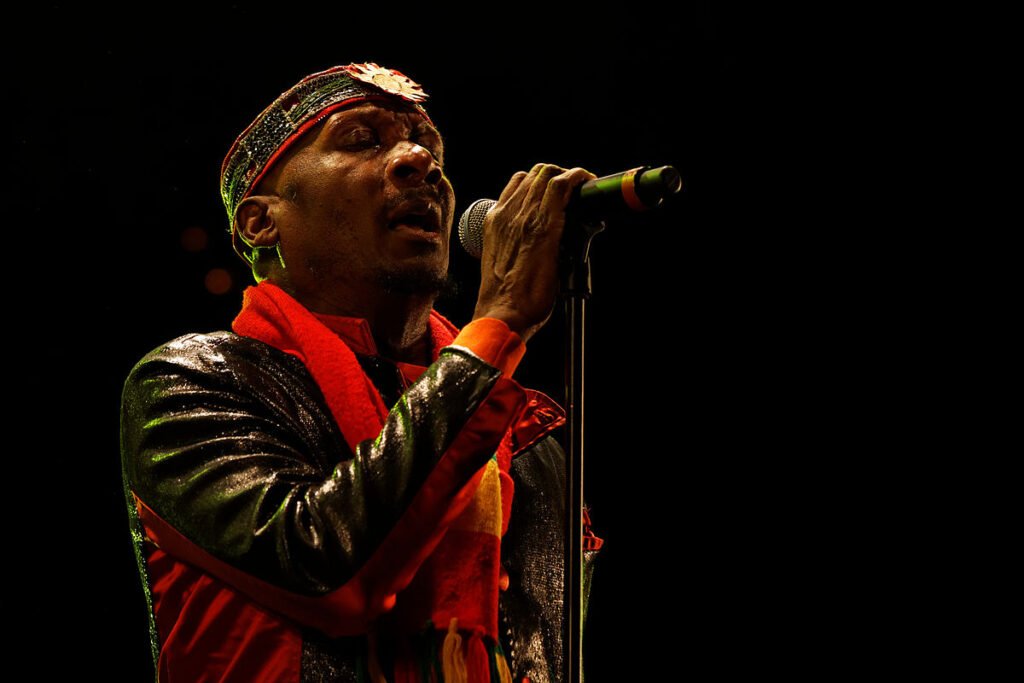
Jimmy Cliff Early Life and the Formation of a Musical Identity
Born on April 1, 1948, as James Chambers, Jimmy Cliff discovered music early. His childhood environment was full of songs, stories, and folk rhythm. Church gatherings, street musicians, local concerts, and radio stations played a central role in shaping his imagination. Unlike many artists who developed after formal training, Jimmy Cliff developed from instinct, emotion, and community experience.
He started writing songs as a child. Even at a young age, his compositions reflected unusual emotional depth. They were not just playful lyrics; they spoke of longing, purpose, and identity. His early fascination with singing turned into determination when he moved to Kingston as a teenager to pursue a career in music.
Life in Kingston was challenging, and opportunities were limited. Success didn’t arrive instantly; Jimmy Cliff had to fight for visibility. But his voice possessed an uncommon quality: spiritual honesty. It resonated deeply with listeners. Soon producers began to take notice, and his rise started.
Jimmy Cliff The Emergence of a Cultural Voice
Jimmy Cliff emerged at a time when Jamaican music was evolving from ska into rocksteady and eventually reggae. Unlike conventional pop singers, he emphasized meaning over marketability. He belonged to the tradition of musicians who believed the singer held a responsibility, not just a career. His voice began to represent the struggles of ordinary people.
One of the defining characteristics of Jimmy Cliff’s music was his sensitivity to the emotional and social condition of society. When he sang, he did not distance himself from the listener. He stood inside the pain, inside the hope, inside the journey. Songs like Many Rivers to Cross, which would later become one of the most defining songs of his life, came from personal frustration, loneliness, and perseverance.
He sang about injustice because he had seen it.
He sang about dreams because he held them despite obstacles.
He sang about healing because he needed it himself.
Jimmy Cliff’s early tracks helped shape not only public taste but also the direction of the Jamaican music industry.
Jimmy Cliff The Global Turning Point: The Harder They Come
Jimmy Cliff’s trajectory shifted dramatically with the release of the film The Harder They Come, in which he played the lead role in addition to providing music. This film was not just a production; it was a cultural moment. It reflected the realities of Jamaican street life, oppressive social conditions, ambition, betrayal, and the search for dignity.
Cliff’s performance was raw and unforgettable. His character embodied the tension between dreams and survival. Most importantly, the soundtrack of the film became a revolutionary force. Songs such as:
- The Harder They Come
- Many Rivers to Cross
- You Can Get It If You Really Want
- Sitting in Limbo
became universal anthems.
For the first time, millions outside Jamaica encountered reggae not as a passing rhythm but as a meaningful art form. Jimmy Cliff opened a door that the world had previously ignored. He made the world listen.
Jimmy Cliff A Music of Struggle and Strength
Much of Jimmy Cliff’s music centers around deeply human themes. Struggle appears, but not without hope. Pain appears, but not without the possibility of healing. Social injustice is exposed, but always with a moral alternative.
He was among the first Jamaican artists to speak freely against inequality, racism, colonialism, and social oppression in his songs. But unlike many political performers, his style was not aggressive nor confrontational. He expressed truth with compassion rather than hostility. This is why his songs were accepted with love across communities, cultures, and countries.
His music carried:
- The sorrow of lost identity
- The anger of social exploitation
- The longing for justice
- The determination to fight for change
- The belief that humanity deserves peace
Jimmy Cliff’s voice is both a mirror and a medicine.
Jimmy Cliff International Stardom and Cultural Diplomacy
As reggae grew, so did his fame. Jimmy Cliff performed across continents, selling records globally and inspiring countless musicians. But he never saw himself as merely an entertainer. He saw himself as a cultural messenger, and his concerts reflected that responsibility.
He embraced languages, traditions, and local identities everywhere he performed. The world responded not only to his voice but to the sincerity of his mission. Long before globalization became a buzzword, Jimmy Cliff created a global community through music.
Jimmy Cliff Influence on Artists and Generations
Jimmy Cliff became a role model not only for fans but for musicians. Countless reggae, pop, R&B, and rock performers have referenced him as a source of inspiration. His sound inspired the stylistic evolution of:
- Bob Marley
- Peter Tosh
- Toots Hibbert
- Derrick Morgan
and many global musicians beyond the reggae genre.
He demonstrated that music rooted in local identity could still be international. His influence is visible not only in vocals but in songwriting, message delivery, and cultural philosophy.
Jimmy Cliff Acting and Creative Versatility
Though primarily known for his music, Jimmy Cliff also expressed his creativity through acting. His approach to characters was similar to his approach to songs: he brought depth rather than superficial performance. The Harder They Come set the bar high and established him not only as a musician but as a cinematic figure.
Jimmy Cliff Meaning, Not Fashion: Jimmy Cliff’s Philosophy of Music
Many popular musicians chase trends, but Jimmy Cliff pursued meaning and consistency. He did not change his style to follow markets. Instead, the market evolved to accept the expression he represented. This artistic courage makes him a significant figure not merely in reggae history but in the wider history of global music.
He viewed music as:
- Identity
- Resistance
- Memory
- Therapy
- Education
- Universal communication
Through music, he united people rather than separated them.
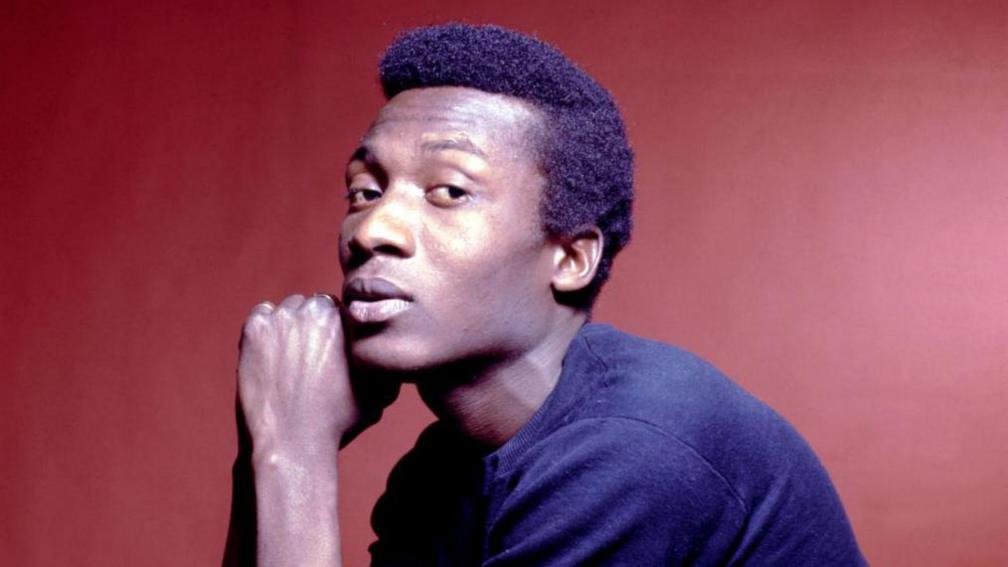
Jimmy Cliff Legacy
Jimmy Cliff’s contribution cannot be measured by awards alone. His legacy lies in:
- Carrying reggae around the world
- Proving the global power of cultural art
- Inspiring generations of musicians to sing with truth
- Providing hope through music that addresses struggle rather than hiding it
- Demonstrating that identity can be a source of power rather than limitation
His voice may belong to Jamaica, but his message belongs to the world.
Why Jimmy Cliff Will Always Matter
Even after decades, Jimmy Cliff’s music remains meaningful because:
- Oppression still exists, and music of resilience is needed.
- People still search for identity, belonging, and peace.
- Global society still struggles with inequality and injustice.
- Dreams still require courage and faith.
- True music never expires; it evolves with the listener.
Jimmy Cliff didn’t simply become famous. He became important.
Conclusion
Jimmy Cliff is a rare artist whose work reflects a lifetime of emotional truth, cultural strength, and artistic courage. His journey from the hills of Jamaica to world stages represents more than success; it represents the power of authentic voice. He transformed reggae from local expression to universal language. He proved that music born in struggle can lead to global unity. His words continue to motivate people who are fighting for dignity, justice, and purpose.
In the long story of world music, many names have come and gone. But some names remain because they stood not only for themselves but for the people. Jimmy Cliff is one of those names. His songs are not only heard; they are felt. His voice does not only sing; it speaks. His art does not only entertain; it enlightens.
There was only one Jimmy Cliff in the past.
There is only one Jimmy Cliff today.
And his influence will continue long into the future.