
Overview Table
| Aspect | Details |
|---|---|
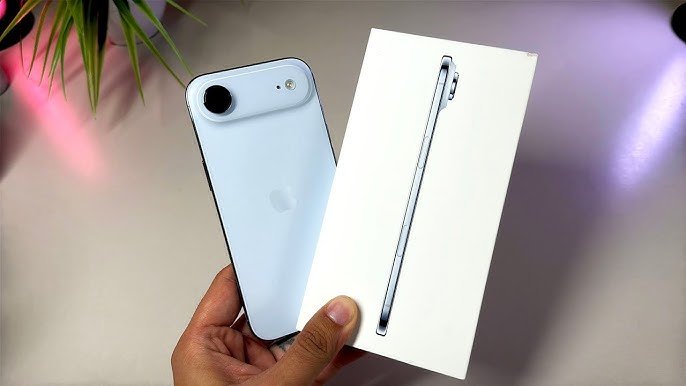
| Product Name | iPhone Air |
| Brand | Apple |
| Product Category | Premium smartphone |
| Positioning Intent | Ultra-thin, lightweight flagship |
| Target Audience | Design-focused users, premium buyers |
| Core Selling Point | Slim design and portability |
| Major Weaknesses | Battery life, performance compromises |
| Market Reception | Largely negative to mixed |
| Sales Outcome | Underperformed expectations |
| Key Failure Factors | Pricing, usability trade-offs, unclear value |
| Impact on Apple | Strategic rethink in design priorities |
| Long-Term Legacy | Cautionary example in Apple’s product history |
Introduction
Apple is widely regarded as one of the most successful consumer electronics companies in history. Its iPhone lineup has repeatedly defined industry standards, reshaped consumer expectations, and delivered consistent commercial success. However, even companies with exceptional track records experience missteps. The iPhone Air stands as one of Apple’s most notable smartphone failures, not because it was poorly built, but because it represented a fundamental misreading of user priorities.
The iPhone Air was conceived as a bold design experiment. Apple aimed to push the boundaries of thinness and portability, presenting a smartphone that felt almost weightless in the hand. On paper, the idea sounded compelling. In practice, it exposed critical weaknesses that ultimately led to its poor market performance.
This article explores in depth why the iPhone Air failed to resonate with consumers, examining design decisions, performance compromises, pricing strategy, market context, and long-term implications for Apple’s smartphone philosophy.
The Vision Behind the iPhone Air
Apple’s Obsession With Thinness
For years, Apple pursued thinner and lighter devices as a hallmark of premium engineering. This philosophy had already proven successful with products like the MacBook Air and certain iPad generations. With the iPhone Air, Apple attempted to transfer this same design obsession into its smartphone lineup.
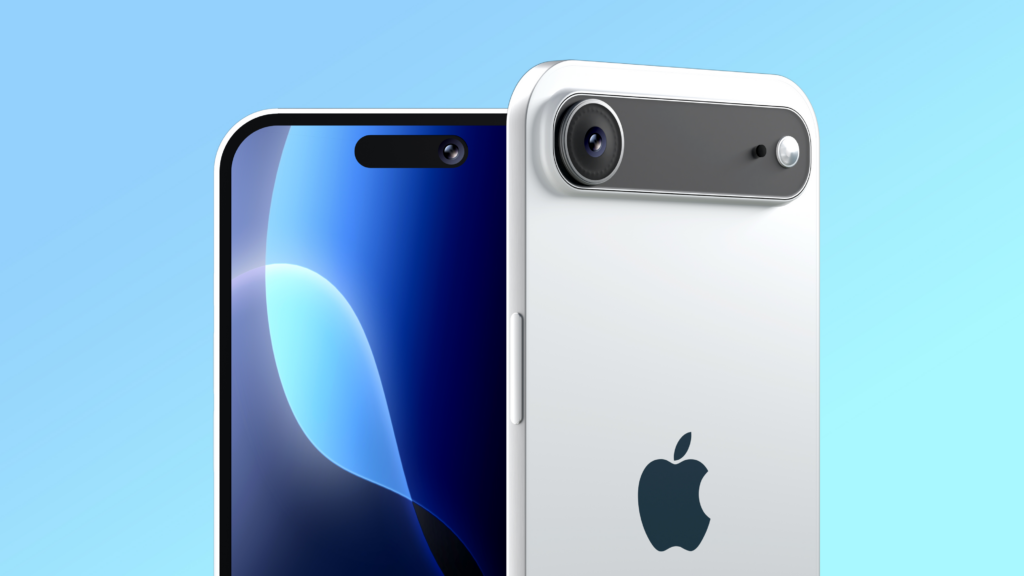
The goal was to create a device that felt effortless to carry, comfortable for prolonged use, and visually striking. Engineers focused heavily on reducing thickness and weight, even if it meant rethinking internal layouts and component choices.
Design as the Primary Selling Point
Unlike other iPhones that emphasized camera improvements or processing power, the iPhone Air placed design above all else. Marketing narratives highlighted elegance, minimalism, and portability rather than practical advantages.
This approach assumed that consumers were willing to trade functionality for aesthetics. That assumption would prove to be a critical miscalculation.
Design Choices That Backfired
Ultra-Thin Form Factor
The defining feature of the iPhone Air was its extremely thin profile. While impressive from an engineering standpoint, the reduction in thickness introduced structural and functional challenges.
The phone felt delicate in hand, leading many users to worry about durability. Cases, which most users rely on, negated the thinness advantage entirely, undermining the core design concept.
Compromised Structural Integrity
To achieve its slim design, Apple had to make concessions in internal reinforcement. The result was a device that felt less rigid compared to other iPhone models.
Concerns about bending, twisting, or long-term wear became common discussion points. Even if not widespread in real-world failure, perception alone damaged consumer confidence.
Battery Life as a Major Deal Breaker
Smaller Battery Capacity
One of the most significant sacrifices made in the iPhone Air was battery size. The thin chassis simply could not accommodate a large battery without compromising the design goal.
As a result, battery life fell noticeably short of user expectations, especially when compared to other iPhones in the same price range.
Real-World Usage Impact
In everyday use, users reported needing to recharge the iPhone Air more frequently than other models. Activities such as video streaming, navigation, or extended browsing drained the battery quickly.
For a device positioned as premium, this limitation was difficult to justify.
Changing User Priorities
By the time the iPhone Air launched, smartphone users increasingly valued endurance over elegance. All-day battery life had become a baseline expectation rather than a luxury.
Apple underestimated how critical battery performance had become to consumer satisfaction.
Performance Trade-Offs
Thermal Constraints
The slim design restricted heat dissipation. To manage thermals, Apple had to tune performance conservatively, limiting sustained processing power.
While everyday tasks ran smoothly, intensive workloads such as gaming or prolonged camera usage revealed performance throttling.
Perception of Underpowered Hardware
Even if benchmarks were competitive on paper, the perception that the iPhone Air was less powerful than other models hurt its reputation. Consumers paying premium prices expect no compromises in performance.
This perception was amplified by comparisons with thicker, more robust iPhones that delivered better sustained performance.
Camera Compromises
Limited Sensor Size
Camera modules require physical depth, which conflicted directly with the iPhone Air’s thin profile. As a result, the device used smaller sensors than competing models.
While image quality remained respectable, it did not stand out in a market where camera performance was becoming a primary purchase driver.
Lack of Differentiation
Other iPhones offered superior low-light performance, enhanced stabilization, and more advanced computational photography features. The iPhone Air failed to provide a compelling camera advantage that justified its existence.
Pricing Strategy Missteps
Premium Price Without Premium Experience
Apple positioned the iPhone Air at a high price point, aligning it with flagship models. However, the experience did not match the cost.
Consumers quickly noticed that they were paying more for less in areas that mattered most, such as battery life and durability.
Poor Value Perception
Value perception plays a crucial role in purchasing decisions. Even loyal Apple users struggled to justify choosing the iPhone Air over more capable alternatives within Apple’s own lineup.
This internal competition significantly hurt sales.
Confusing Product Positioning
Overlap With Existing Models
The iPhone Air did not clearly differentiate itself from standard or Pro models. It sat awkwardly between categories, appealing to a narrow audience.
Consumers were unsure who the device was truly for, leading many to default to more familiar options.
Lack of a Clear Use Case
Successful products solve specific problems. The iPhone Air’s primary advantage was thinness, which did not address a pressing user need.
Without a clear practical benefit, the device struggled to justify its place in the lineup.
Market Timing and Competitive Landscape
Rising Competition
At the time of the iPhone Air’s release, competitors were offering devices with larger batteries, faster charging, and more versatile cameras.
These alternatives appealed strongly to users who prioritized functionality over form.
Shifting Industry Trends
The smartphone market was moving toward larger screens, longer battery life, and feature-rich designs. The iPhone Air’s minimalistic approach felt out of sync with prevailing trends.
Consumer and Media Reception
Initial Curiosity Followed by Disappointment
Early interest in the iPhone Air was driven by curiosity and Apple’s brand strength. However, long-term reviews highlighted its shortcomings.
User feedback consistently pointed to battery life and durability as major pain points.
Declining Word-of-Mouth Support
Word-of-mouth plays a significant role in smartphone success. As negative experiences accumulated, recommendations declined, further impacting sales.
Sales Performance and Commercial Outcome
Underwhelming Sales Numbers
Compared to other iPhone launches, the iPhone Air saw slower adoption rates. Inventory turnover lagged behind expectations.
Retailers reported weaker demand, particularly after the initial launch window.
Shortened Lifecycle
The lackluster response led Apple to quietly scale back the prominence of the iPhone Air in its lineup. It did not receive the long-term support or iterative updates typical of successful models.
Lessons Apple Learned From the iPhone Air
Functionality Over Extreme Design
The failure of the iPhone Air reinforced the importance of balancing design with usability. Thinness alone was no longer a compelling differentiator.
Reprioritizing Battery and Performance
Subsequent iPhone generations placed greater emphasis on battery life, thermal performance, and camera advancements.
Clearer Product Segmentation
Apple refined its lineup structure, ensuring that each model had a distinct purpose and audience.
Long-Term Impact on Apple’s Design Philosophy
Shift Away From Ultra-Thin Obsession
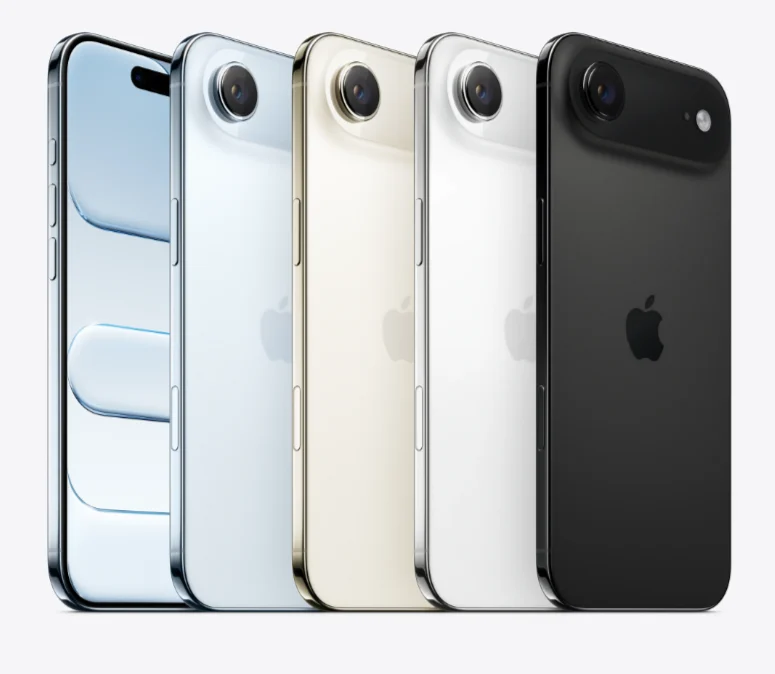
While Apple still values elegant design, the company became more willing to accept slightly thicker devices in exchange for better performance and endurance.
Focus on Practical Innovation
Later iPhones emphasized features that directly improved daily use, such as improved battery efficiency and advanced camera systems.
Why the iPhone Air Stands Out as a Flop
High Expectations Amplified the Failure
Because it was an Apple product, expectations were exceptionally high. When the iPhone Air failed to meet them, the disappointment was more pronounced.
A Mismatch Between Vision and Reality
The iPhone Air was not a bad smartphone in isolation. Its failure stemmed from a mismatch between Apple’s vision and what consumers actually wanted.
Could the iPhone Air Have Succeeded?
Alternative Design Choices
A slightly thicker design with better battery life might have significantly improved reception.
Adjusted Pricing
Positioning the iPhone Air as a lower-cost design-focused option could have made its compromises more acceptable.
Final Analysis
The iPhone Air serves as a rare example of Apple misjudging the balance between form and function. Its ultra-thin design, while visually impressive, introduced compromises that undermined the overall user experience.
In prioritizing aesthetics over practicality, Apple overlooked shifting consumer priorities. Battery life, durability, and sustained performance had become non-negotiable features for premium smartphones.
Conclusion
The iPhone Air became Apple’s biggest smartphone flop not because it lacked innovation, but because it innovated in the wrong direction. It highlighted the risks of prioritizing design ideals over real-world usability.
While the device itself faded into relative obscurity, its lessons shaped future iPhone development. Apple emerged wiser, more user-focused, and better aligned with market realities.
In that sense, the iPhone Air’s failure was not meaningless. It became a turning point that reminded even the most successful companies that innovation must always serve the user, not just the idea.