

| Category | Details |
|---|---|
| Full Name | George Anthony Devolder Santos |
| Date of Birth | July 22, 1988 |
| Place of Birth | Queens, New York, USA |
| Education | Claimed: Baruch College (Disputed) |
| Profession | Politician, Former Business Professional |
| Political Party | Republican |
| Position | U.S. House of Representatives, NY-3 |
| Years Active in Politics | 2020 – Present |
| Key Policy Areas | Economic Growth, Tax Reform, Public Safety |
| Controversies | Misrepresentations in education, career, and personal background |
| Notable Elections | 2022 Congressional Election, NY-3 |
| Media Presence | Active on social media; frequent news coverage |
| Family | Private; limited public details |
| Public Perception | Polarized: Supporters admire ambition, critics question credibility |
| Achievements | Elected to Congress, developed strong campaign strategy, high public visibility |
George Santos Introduction
George Santos is an American politician who gained national attention for both his rapid rise in the political landscape and the controversies surrounding his personal and professional life. Known for his charisma, ability to connect with voters, and media-savvy persona, Santos has made a mark as a young Republican figure in New York politics. His story is notable not only for the positions he has held but also for the scrutiny over the accuracy of his public statements and claims, which has sparked widespread debate across political and media circles.
Santos represents a new generation of politicians who combine traditional campaigning with social media strategy to gain visibility quickly. While opinions about him remain polarized, his journey provides an important case study in modern American politics, highlighting themes of ambition, public perception, and accountability.
George Santos Early Life and Background
George Anthony Devolder Santos was born on July 22, 1988, in Queens, New York. Growing up in a suburban environment, he experienced the challenges and diversity of the New York metropolitan area, which helped shape his understanding of the city’s social and political fabric. Early accounts suggest that Santos was ambitious from a young age, interested in public affairs, and active in academic and extracurricular activities that would later influence his career in politics.
While details of his education and early experiences have been subjects of scrutiny and controversy, it is clear that Santos showed early interest in leadership roles and community involvement. His upbringing in a dynamic, multicultural setting gave him a perspective on the political landscape that he would later leverage in his campaigns. His early life highlights the complex interplay between ambition, opportunity, and public image in shaping a future politician.

George Santos Educational Background
George Santos’s educational background has been a central topic in both his political narrative and media coverage. According to publicly available information, Santos claimed to have attended Baruch College and earned degrees in economics and finance. However, some of these claims have been disputed and scrutinized by investigative reports. Despite this controversy, it is known that Santos possesses a foundational understanding of finance, business, and public policy, which has informed his political messaging and campaign strategies.
His education played a role in his initial entry into business and financial services, before transitioning into politics. Regardless of debates about specific credentials, Santos has used his academic experience to position himself as a candidate capable of handling economic and fiscal matters, appealing to voters who prioritize financial literacy and policy expertise in elected officials.
George Santos Early Career and Professional Experience
Before fully entering politics, George Santos had professional experience in business and finance. He reportedly worked in financial services, marketing, and real estate sectors, which helped him develop communication skills, networking abilities, and an understanding of regulatory frameworks. His career outside politics also included work in marketing campaigns and public outreach initiatives, providing him with tools to manage messaging and engage diverse audiences.
However, as with other aspects of his background, details of his professional trajectory have faced scrutiny, with some claims being questioned. Nevertheless, Santos leveraged his professional experience as a foundation for his political ambitions, emphasizing business acumen and economic understanding as key qualifications. This blend of business and political positioning became a hallmark of his campaign strategy, appealing to constituents who value economic expertise and practical experience in governance.
George Santos Entry into Politics
George Santos officially entered the political arena as a member of the Republican Party, positioning himself as a candidate capable of addressing local issues in New York. His initial campaigns focused on connecting with communities, emphasizing economic growth, public safety, and government accountability. Santos used traditional campaign methods, such as canvassing and public appearances, while simultaneously utilizing social media to reach a wider audience.
His ability to combine personal engagement with digital outreach helped him gain early recognition among party members and local constituents. Despite limited prior political experience, Santos capitalized on messaging that projected confidence, ambition, and a vision for his district. His entry into politics reflects a modern approach in which young candidates leverage both community engagement and media strategy to quickly establish a presence and attract support.
George Santos Congressional Campaign
George Santos gained national prominence during his campaign for the U.S. House of Representatives in New York’s 3rd Congressional District. Running as a Republican, he presented himself as a fresh, energetic candidate focused on economic reform, job creation, and constituent advocacy. Santos’ campaign was marked by aggressive outreach, targeted advertising, and strong use of social media platforms, which allowed him to communicate directly with voters.
The campaign messaging emphasized his purported professional and educational background, framing him as a knowledgeable and capable representative for the district. Santos won the Republican primary decisively, demonstrating strong grassroots support and organizational skills. His congressional campaign illustrates the dynamics of modern local politics, where media strategy, personal branding, and rapid engagement with voters play crucial roles in electoral success.
George Santos Controversies and Public Scrutiny
Despite his electoral success, George Santos has faced significant controversy over the veracity of statements made about his personal, professional, and educational background. Investigations revealed inconsistencies in his claims regarding work history, academic achievements, and family background. These revelations triggered widespread media coverage, political debate, and legal scrutiny.
Critics argue that such discrepancies undermine public trust and highlight the challenges of vetting candidates in the modern political system. Supporters, however, note his ability to maintain voter support and argue that his policy positions and campaign engagement remain relevant. The controversies surrounding Santos demonstrate how personal narrative, credibility, and public perception intersect in politics, shaping both reputation and influence. They also highlight the evolving role of investigative journalism and social media in holding public figures accountable.
George Santos Policy Positions and Legislative Focus
George Santos’ political platform has emphasized economic growth, job creation, tax reform, and government accountability. He has positioned himself as a pro-business candidate, advocating for policies that reduce regulatory burdens and encourage entrepreneurship. In addition, Santos has focused on local issues affecting his constituents, including infrastructure development, public safety, and community services.
While his legislative record is relatively short due to his recent tenure, he has demonstrated interest in participating in committees that align with his stated priorities. His approach reflects the typical focus of a freshman congressperson seeking to balance national party alignment with district-specific concerns. Policy observers note that Santos’ stated positions aim to resonate with a constituency that values economic competence, public engagement, and clear communication from elected representatives.
George Santos Public Image and Media Presence
Santos has cultivated a strong media presence, leveraging social media platforms to connect with voters and promote his political messaging. He frequently engages with constituents through live sessions, posts, and campaign updates. This direct engagement has helped him build a recognizable public image, emphasizing accessibility and responsiveness. At the same time, his public image is intertwined with scrutiny over his personal and professional claims, creating a complex dynamic of admiration and skepticism.
His media presence demonstrates the importance of narrative control in contemporary politics, where candidates must manage both promotion and crisis simultaneously. Despite challenges, Santos’ ability to maintain visibility and articulate his political message has made him a prominent figure within his party and the broader national political conversation.
George Santos Controversial Elections and Responses
George Santos’ elections have been controversial due to the scrutiny of his biography and claims. Opponents have highlighted inconsistencies and questioned his qualifications, which led to heightened media coverage during campaign periods. Santos responded by emphasizing voter engagement, policy priorities, and commitment to his district.
These elections illustrate the tension between personal narrative and political performance, reflecting broader debates about accountability in democratic systems. Despite the controversies, Santos has shown resilience in navigating political and media challenges, maintaining campaign momentum and voter outreach. His experiences highlight the need for transparency, effective communication, and strategic management in high-stakes electoral environments.
George Santos Personal Life
George Santos’ personal life has been a topic of public interest, particularly in light of controversies surrounding his statements about family and background. Known for his dynamic personality, Santos balances a demanding public life with private commitments. While details about his personal relationships and family remain limited due to privacy concerns, it is evident that he manages to navigate both public and personal spheres under intense scrutiny.
His story emphasizes the challenges of maintaining personal privacy while engaging in high-profile politics, and the impact that personal narratives can have on public perception. Despite these pressures, Santos continues to engage actively with constituents and supporters, demonstrating adaptability and resilience in managing the intersection of personal and political life.
George Santos Challenges and Criticism
George Santos has faced numerous challenges, including legal investigations, media scrutiny, and public criticism. Critics argue that misrepresentations in his biography undermine trust and highlight vulnerabilities in political vetting processes. He has also dealt with opposition campaigns focusing on alleged inconsistencies in his professional and academic claims.
These challenges test the resilience of any politician, requiring strategic communication, public relations management, and legal guidance. Santos’ ability to continue serving in his political role despite widespread criticism demonstrates both the complexities of modern politics and the power of voter base loyalty. The scrutiny he faces provides insights into how accountability, media coverage, and public perception intersect in shaping political careers.
George Santos Achievements and Recognition
Despite controversies, George Santos’ achievements include securing election to the U.S. House of Representatives and building a recognizable public profile. He has demonstrated effective campaign strategy, constituent engagement, and media management. His electoral success highlights organizational and networking skills, as well as the ability to mobilize supporters and communicate policy positions. Santos’ achievements are often discussed alongside the controversies, providing a nuanced view of his political career. Recognition of his role as a young, ambitious politician reflects the broader trend of new entrants shaping American political discourse, illustrating how both accomplishments and challenges contribute to a public figure’s legacy.
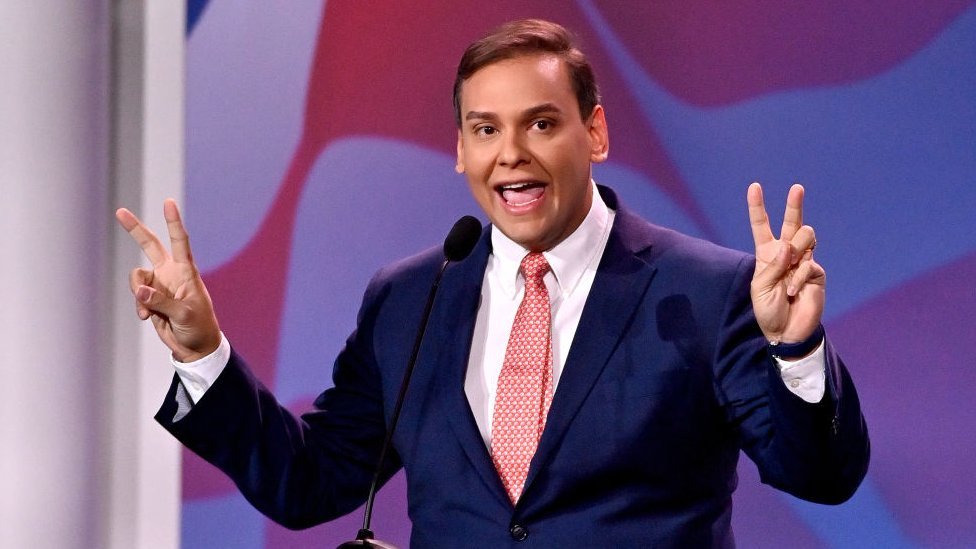
George Santos Legacy and Lessons
George Santos’ career serves as a modern case study in political ambition, public perception, and media influence. His story illustrates the dual-edged nature of contemporary politics, where charisma, media presence, and campaign skill can propel individuals to office, while public scrutiny and factual accountability remain critical. Santos’ trajectory highlights lessons about resilience, adaptability, and the importance of transparency. Whether admired or criticized, his journey emphasizes the evolving landscape of American politics, where young leaders can gain rapid prominence while navigating intense public and media evaluation. Santos’ legacy, though still being written, underscores the complex interplay of ambition, narrative, and accountability in shaping political influence.
Conclusion
George Santos’ rise in American politics reflects a blend of ambition, strategy, and controversy. As a young Republican figure, he has captured both attention and debate, illustrating the power of media, messaging, and personal branding in modern elections. His career highlights the opportunities and risks faced by contemporary politicians, emphasizing the importance of transparency, voter engagement, and adaptability.
Despite scrutiny over his biography and personal claims, Santos continues to serve as a congressman, demonstrating resilience in navigating challenges. His journey is a reminder that in today’s political environment, public perception, media influence, and strategic communication are as crucial as policy knowledge and leadership skills. George Santos’ story will remain a reference point for discussions about political credibility, ambition, and the role of media in shaping modern political narratives.