
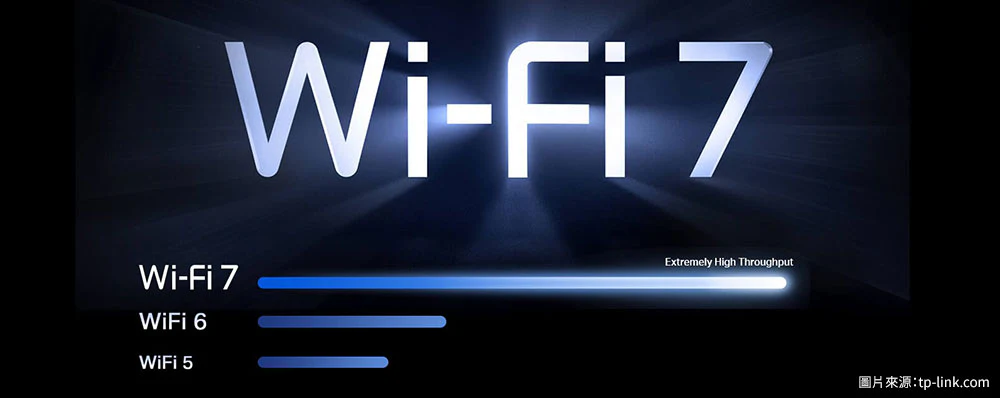
Overview Table
| Aspect | Wi-Fi 6 / 6E | Wi-Fi 7 |
|---|---|---|
| Maximum Speed | High multi-gigabit speeds | Significantly higher theoretical speeds |
| Channel Width | Up to 160 MHz | Up to 320 MHz |
| Latency | Low | Ultra-low |
| Multi-Link Operation | Not supported | Supported |
| Device Handling | Improved over Wi-Fi 5 | Designed for dense device environments |
| Use Cases | Homes, offices, streaming | Gaming, AR/VR, smart offices, future networks |
| Spectrum Efficiency | Advanced | More intelligent and flexible |
| Backward Compatibility | Yes | Yes |
| Target Audience | Current mainstream users | Power users and future-focused adopters |
Introduction
Wireless connectivity has become the backbone of modern digital life. From online learning and remote work to smart homes and cloud gaming, reliable and fast Wi-Fi is no longer a luxury but a necessity. As more devices connect to the internet simultaneously, network demands continue to grow. This is where Wi-Fi 7 Explained enters the picture, promising a new generation of wireless performance designed to handle future workloads with ease.
Wi-Fi 7 Explained is the next major evolution in wireless networking, following Wi-Fi 6 and Wi-Fi 6E. It introduces fundamental changes in how data is transmitted, how devices communicate with routers, and how networks handle congestion. While previous Wi-Fi generations focused mainly on speed improvements, Wi-Fi 7 Explained takes a broader approach by addressing latency, reliability, and multi-device efficiency.
This article explains Wi-Fi 7 Explained in detail, breaking down how it works, what makes it different, and whether upgrading makes sense for students, office users, gamers, and everyday consumers.
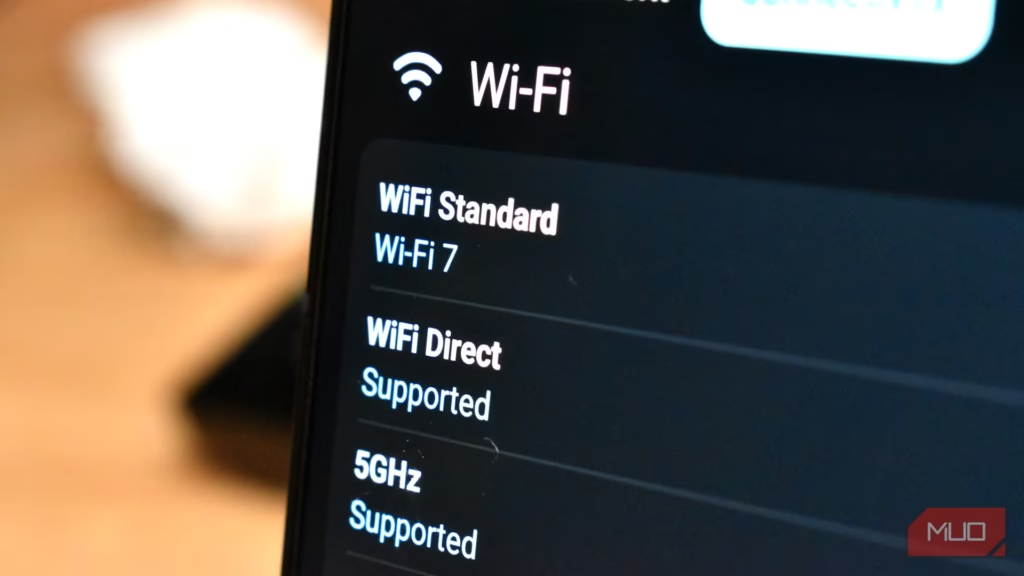
Understanding Wi-Fi Standards
What Is a Wi-Fi Standard
A Wi-Fi standard defines how wireless devices communicate over radio frequencies. Each generation introduces improvements in speed, efficiency, range, and security. These standards ensure compatibility between routers, smartphones, laptops, and other connected devices.
Evolution of Wi-Fi Technology
Wi-Fi has evolved through multiple generations, each responding to changing usage patterns. Early versions focused on basic internet access, while later generations prioritized video streaming, cloud computing, and multi-device environments. Wi-Fi 7 Explained represents a shift toward supporting real-time applications and future-ready connectivity.
Why New Standards Matter
As the number of connected devices increases, older standards struggle with congestion and latency. New standards like Wi-Fi 7 Explained aim to maintain performance even when networks are under heavy load, ensuring consistent connectivity across all devices.
What Is Wi-Fi 7
Core Concept of Wi-Fi 7
Wi-Fi 7 Explained is designed to deliver extremely high speeds, ultra-low latency, and more stable connections. It achieves this by using wider channels, advanced modulation techniques, and smarter data transmission methods.
Focus on Real-Time Performance
Unlike previous generations that emphasized raw speed, Wi-Fi 7 Explained focuses heavily on responsiveness. This makes it suitable for real-time applications such as online gaming, virtual reality, video conferencing, and cloud-based workflows.
Designed for the Future
Wi-Fi 7 is built with future demands in mind. As technologies like augmented reality, smart factories, and connected campuses expand, Wi-Fi 7 provides the foundation required to support them efficiently.
Key Technologies Behind Wi-Fi 7
Wider Channel Bandwidth
Wi-Fi 7 Explained supports channel widths up to 320 MHz. Wider channels allow more data to be transmitted at once, significantly increasing potential throughput. This is particularly beneficial in environments where large amounts of data are transferred continuously.
Multi-Link Operation
Multi-Link Operation allows devices to connect to multiple frequency bands simultaneously. Instead of relying on a single band, devices can send and receive data across multiple links, improving reliability and reducing latency.
Higher Modulation Efficiency
Advanced modulation techniques allow Wi-Fi 7 Explained to pack more data into each transmission. This increases efficiency without requiring additional spectrum, leading to faster and more stable connections.
Intelligent Traffic Management
Wi-Fi 7 Explained introduces smarter scheduling and traffic prioritization. Critical data such as video calls or gaming traffic is handled with higher priority, ensuring smooth performance even during network congestion.
Speed Improvements Explained
Theoretical Speed Gains
Wi-Fi 7 Explained offers a substantial increase in theoretical maximum speeds compared to Wi-Fi 6 and 6E. While real-world speeds depend on hardware and environment, the improvement is significant enough to support data-intensive applications effortlessly.
Real-World Performance Expectations
In everyday use, Wi-Fi 7 Explained delivers faster file transfers, smoother streaming, and quicker cloud access. Users may notice reduced buffering, faster downloads, and more responsive online services.
Impact on Large File Transfers
For professionals working with large files, such as designers or engineers, Wi-Fi 7 Explained reduces transfer times dramatically. This improves productivity and reduces waiting periods during collaborative workflows.
Latency and Responsiveness
Why Latency Matters
Latency measures how quickly data travels between devices. Lower latency results in faster response times, which is crucial for gaming, video calls, and real-time collaboration.
Wi-Fi 7 Latency Improvements
Wi-Fi 7 Explained significantly reduces latency by optimizing data paths and enabling simultaneous connections. This results in near-instant responses even under heavy network usage.
Benefits for Gaming and Streaming
Gamers experience smoother gameplay with reduced lag, while streamers benefit from more stable connections and fewer interruptions. Video calls feel more natural, with minimal delay.
Device Density and Network Efficiency
Growing Number of Connected Devices
Homes and offices now host dozens of connected devices, from smartphones and laptops to smart appliances and IoT sensors. Managing this density is a major challenge for wireless networks.
Wi-Fi 7 Device Handling Capabilities
Wi-Fi 7 Explained is designed to handle dense environments efficiently. It distributes bandwidth intelligently, ensuring that no single device overwhelms the network.
Office and Campus Environments
In offices and educational institutions, Wi-Fi 7 Explained supports large numbers of users without sacrificing performance. This makes it ideal for collaborative spaces and shared networks.
Wi-Fi 7 for Students
Online Learning and Virtual Classes
Wi-Fi 7 Explained ensures stable video calls, fast downloads, and smooth access to cloud-based learning platforms. Students benefit from reliable connectivity during lectures and group projects.
Multi-Device Study Setups
Students often use multiple devices simultaneously. Wi-Fi 7 Explained handles these setups efficiently, allowing seamless switching between devices without connection drops.
Future-Proof Connectivity
For students investing in new devices, Wi-Fi 7 Explained offers future-proof connectivity that will remain relevant throughout their academic years.
Wi-Fi 7 for Office Users
Remote Work and Hybrid Offices
Wi-Fi 7 Explained supports high-quality video conferencing, cloud collaboration, and secure remote access. This enhances productivity in hybrid work environments.
Improved Collaboration Tools
Real-time collaboration tools perform better on low-latency networks. Wi-Fi 7 Explained ensures smooth interactions during shared editing sessions and live meetings.
Enterprise-Level Reliability
While not limited to enterprise use, Wi-Fi 7 brings enterprise-grade reliability to home offices and small businesses.
Compatibility and Device Support
Backward Compatibility
Wi-Fi 7 is backward compatible with older Wi-Fi devices. This means existing devices continue to work, although they will not benefit from all new features.
Hardware Requirements
To fully utilize Wi-Fi 7, both the router and the connected device must support the standard. Upgrading only one component limits performance gains.
Transition Period Considerations
During the transition phase, mixed networks with multiple Wi-Fi standards are common. Wi-Fi 7 manages this coexistence effectively.
Security Enhancements
Improved Encryption Standards
Wi-Fi 7 builds upon modern security frameworks to provide stronger protection against unauthorized access and data interception.
Secure Device Authentication
Enhanced authentication methods ensure that only trusted devices connect to the network, improving overall security.
Privacy Considerations
Wi-Fi 7 supports privacy-focused features that reduce tracking and improve data protection during wireless communication.
Power Efficiency and Battery Life
Optimized Power Management
Wi-Fi 7 improves power efficiency by reducing unnecessary transmissions and optimizing device wake cycles.
Benefits for Mobile Devices
Smartphones, tablets, and laptops benefit from longer battery life during wireless usage, making Wi-Fi 7 suitable for mobile users.
Energy Efficiency in Offices
Energy-efficient networking contributes to lower operational costs and supports sustainable technology practices.

Is Wi-Fi 7 Worth Upgrading
Who Should Consider Upgrading
Power users, gamers, content creators, and professionals working with real-time applications benefit the most from Wi-Fi 7. Users with many connected devices also see noticeable improvements.
Who Can Wait
Casual users with light internet usage may not immediately need Wi-Fi 7. Existing Wi-Fi 6 or 6E networks remain capable for standard tasks.
Long-Term Value
Wi-Fi 7 offers long-term value by supporting future applications and increasing network lifespan. For users planning hardware upgrades, adopting Wi-Fi 7 makes strategic sense.
Cost and Practical Considerations
Hardware Investment
Wi-Fi 7 routers and compatible devices typically cost more initially. Prices are expected to become more accessible as adoption increases.
Infrastructure Requirements
To fully benefit from Wi-Fi 7, internet connections and internal network infrastructure should support high speeds.
Gradual Upgrade Strategy
Users can adopt Wi-Fi 7 gradually by upgrading routers first and adding compatible devices over time.
Conclusion
Wi-Fi 7 represents a major step forward in wireless networking. By combining higher speeds, ultra-low latency, and intelligent device handling, it addresses the challenges of modern and future connectivity demands. It is not merely an incremental update but a foundational upgrade designed for a world increasingly dependent on real-time digital interaction.
For users who demand top-tier performance, seamless multitasking, and future-proof connectivity, Wi-Fi 7 is a compelling upgrade. While not everyone needs to upgrade immediately, its advantages become increasingly relevant as digital workloads grow. Wi-Fi 7 is not just about faster internet, but about building networks that keep pace with how people learn, work, and connect in the years ahead.