
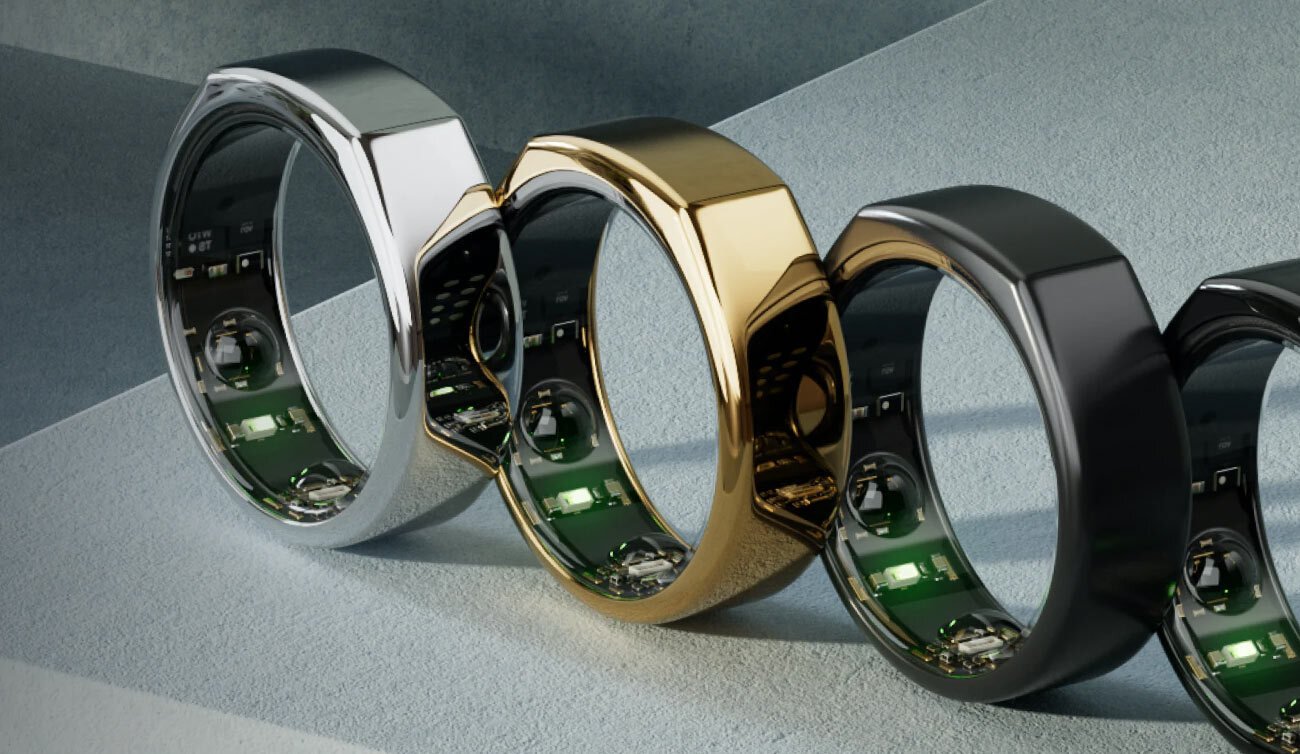
Overview Table of Wearable Technology
| Category | Smart Rings | Smart Glasses | Health Trackers |
|---|---|---|---|
| Primary Purpose | Discreet health and activity tracking | Augmented information and hands-free interaction | Fitness and health monitoring |
| Form Factor | Ring worn on finger | Glasses worn on face | Band or watch worn on wrist |
| Key Sensors | Heart rate, temperature, motion | Cameras, displays, sensors | Heart rate, motion, SpO2 |
| Connectivity | Bluetooth, low-power wireless | Wi-Fi, Bluetooth | Bluetooth, GPS |
| Battery Life | Multiple days | Hours to a full day | Several days to weeks |
| Target Users | Minimalist users, health-focused individuals | Professionals, creators, early adopters | Fitness enthusiasts, general users |
| Data Focus | Recovery, sleep, readiness | Visual data, context, communication | Activity, health trends |
Introduction to Wearable Technology
Wearable technology has evolved from a niche innovation into a mainstream digital ecosystem that influences how people monitor health, communicate, work, and interact with their environment. Devices once limited to basic step counting or notification mirroring now function as sophisticated data collection and analysis tools, seamlessly integrated into daily life. Smart rings, smart glasses, and health trackers represent three of the most influential categories within this space, each addressing different user needs while sharing a common foundation of sensors, connectivity, and intelligent software.
This transformation is not accidental. It reflects broader shifts in consumer behavior, healthcare priorities, workplace dynamics, and expectations of personalization. Wearables are no longer perceived as optional accessories but as extensions of the human body, capable of translating biological signals and contextual data into actionable insights. Their impact spans wellness, productivity, safety, entertainment, and even identity.
This article offers a comprehensive, experience-driven and technically grounded exploration of wearable technology, with a specific focus on smart rings, smart glasses, and health trackers. The discussion examines design philosophies, underlying technologies, real-world applications, limitations, and future trajectories, presenting a balanced narrative that combines analytical depth with journalistic clarity.
The Evolution of Wearable Technology
Early Foundations of Wearables
The concept of wearable technology predates modern digital devices. Early examples include mechanical pedometers, medical monitoring equipment, and even analog hearing aids. These devices were functional but lacked connectivity, intelligence, and adaptability. Their purpose was narrow, and user interaction was minimal.
The digital revolution transformed wearables by introducing microprocessors, sensors, and wireless communication. This allowed devices to collect data continuously and transmit it for analysis, creating feedback loops that enhanced user awareness and control.
Transition to Smart Wearables
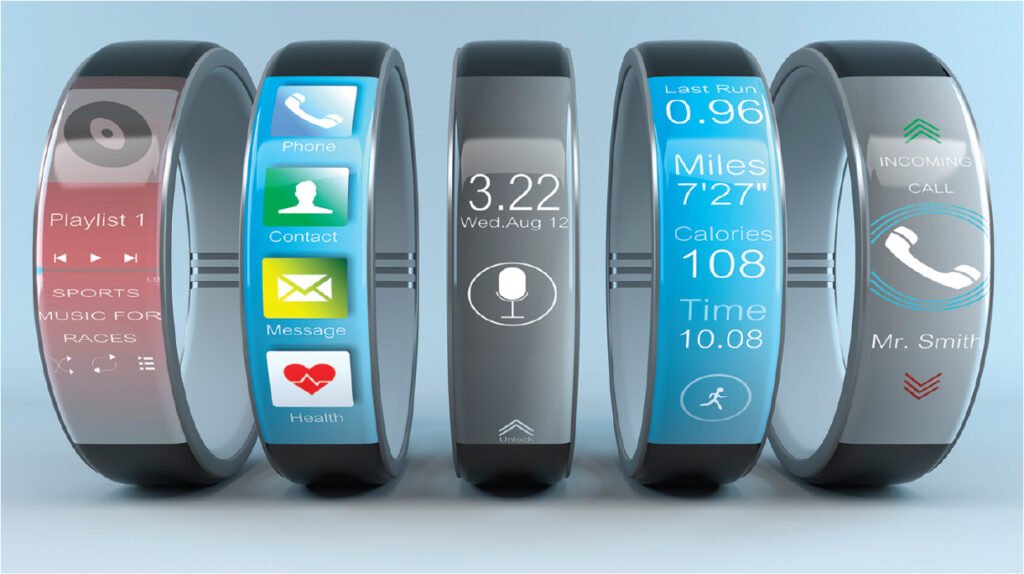
The shift from basic wearables to smart wearables marked a turning point. Devices gained displays, app ecosystems, and cloud integration. Health and fitness tracking became more sophisticated, and wearables began to interact with smartphones and other digital platforms.
This transition laid the groundwork for today’s ecosystem, where smart rings, glasses, and health trackers coexist as specialized tools within a broader connected environment.
Current Market Dynamics
Today’s wearable technology market is shaped by competition, innovation, and user demand for meaningful insights rather than raw data. Design elegance, comfort, and accuracy are as important as technical specifications. Users expect wearables to adapt to their lifestyles rather than requiring behavioral changes.
Smart Rings: Minimalism Meets Precision
Design Philosophy of Smart Rings
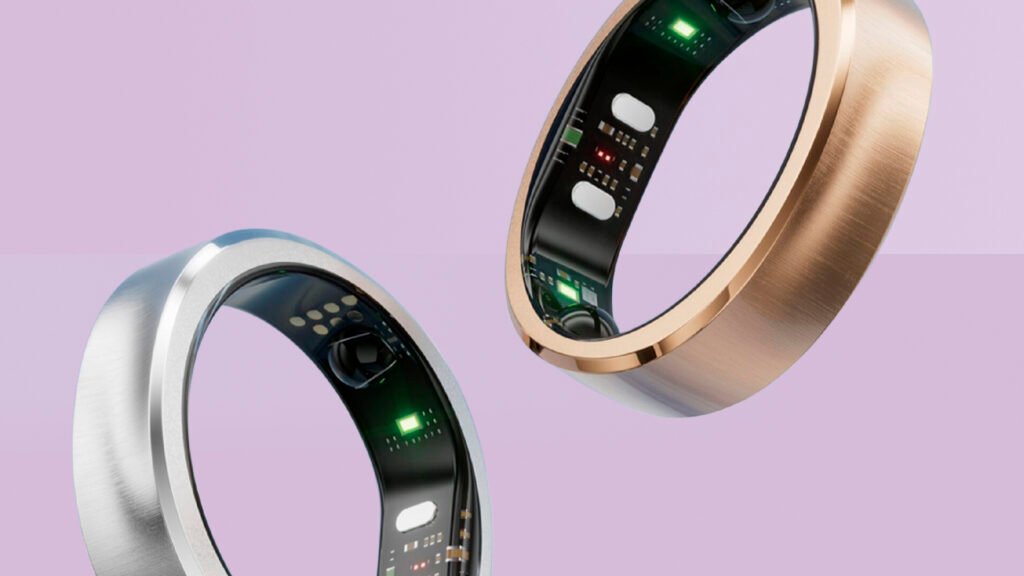
Smart rings represent a minimalist approach to wearable technology. Their design prioritizes discretion, comfort, and continuous wear. Unlike wrist-based devices, rings blend naturally into daily attire, making them suitable for users who prefer unobtrusive Wearable Technology.
The challenge lies in integrating advanced sensors and batteries into an extremely compact form factor. This constraint drives innovation in power efficiency, sensor miniaturization, and material science.
Core Technologies in Smart Rings
Smart rings rely on a combination of optical sensors, temperature sensors, accelerometers, and gyroscopes. These components work together to capture physiological signals and movement patterns. Advanced algorithms interpret this data to provide insights into sleep quality, recovery, stress, and overall wellness.
Low-power wireless connectivity ensures data synchronization without excessive battery drain. The emphasis is on passive data collection rather than constant user interaction.
Health and Wellness Applications
Smart rings excel in health monitoring, particularly sleep tracking and recovery analysis. Their finger placement allows for accurate measurement of blood flow and temperature variations, which are critical indicators of physiological state.
Users often rely on smart rings for long-term health trends rather than immediate feedback. This makes them particularly valuable for individuals focused on preventive health and lifestyle optimization.
Limitations and Trade-Offs
The compact size of smart rings limits battery capacity and display options. Most smart rings rely on companion apps for data visualization, which may not appeal to users seeking real-time feedback. Additionally, their focus on health metrics may not satisfy users looking for broader functionality.
Smart Glasses: Expanding Human Vision
Concept and Purpose of Smart Glasses
Smart glasses aim to augment human perception by overlaying digital information onto the physical world. Unlike other wearables, they directly engage the user’s visual field, creating opportunities for immersive interaction and hands-free computing.
The vision behind smart glasses extends beyond convenience. They represent a shift toward ambient computing, where information is accessible when needed without interrupting natural behavior.
Display and Optical Systems
Smart glasses incorporate miniature displays that project information into the user’s line of sight. These displays must balance brightness, clarity, and transparency to avoid obstructing vision. Optical waveguides and advanced lenses play a critical role in achieving this balance.
The technical complexity of these systems contributes to cost and design challenges, but also enables unique experiences not possible with other wearables.
Interaction Methods
Interaction with smart glasses can occur through voice commands, touch-sensitive frames, gestures, or head movements. This hands-free approach is particularly valuable in professional and industrial settings, where manual tasks require uninterrupted focus.
Context-aware software enhances usability by presenting relevant information based on location, activity, or user intent.
Use Cases and Adoption Challenges
Smart glasses have applications in navigation, remote assistance, content creation, and training. However, adoption faces challenges related to social acceptance, battery life, and privacy concerns. Balancing functionality with comfort and aesthetics remains a critical hurdle.
Health Trackers: The Backbone of Wearable Adoption
Role of Health Trackers in Daily Life
Health trackers are the most widely adopted category of wearable technology. Their wrist-based form factor offers a balance between visibility, functionality, and comfort. They serve as constant companions, providing immediate feedback on activity levels and health metrics.
These devices have played a significant role in increasing health awareness and encouraging physical activity across diverse user groups.
Sensor Ecosystem in Health Trackers
Health trackers integrate a wide array of sensors, including optical heart rate monitors, accelerometers, gyroscopes, and sometimes oxygen saturation sensors. The combination of these sensors enables comprehensive monitoring of physical activity and physiological state.
Advanced models incorporate GPS for location tracking and environmental sensors for contextual data.
Data Interpretation and Insights
Raw data collected by health trackers is processed through algorithms that identify patterns and trends. Users receive summaries, alerts, and recommendations designed to guide behavior and improve outcomes.
The emphasis is increasingly on personalized insights rather than generic metrics, reflecting a maturation of the Wearable Technology.
Challenges in Accuracy and Interpretation
While health trackers provide valuable information, accuracy can vary based on device placement, user behavior, and environmental factors. Interpreting data correctly requires context, and users must understand that these devices complement rather than replace professional medical tools.
Connectivity and Ecosystem Integration
Interaction with Smartphones and Platforms
Wearable devices rely heavily on smartphones and cloud platforms for data processing and visualization. Seamless integration ensures that users can access insights across devices and over time.
Cross-platform compatibility enhances usability, allowing wearables to fit into diverse digital ecosystems.
Data Synchronization and Reliability
Reliable data synchronization is critical for user trust. Wearables must manage intermittent connectivity while preserving data integrity. Efficient synchronization protocols minimize battery usage and ensure timely updates.
Interoperability and Standards
As the wearable ecosystem grows, interoperability becomes increasingly important. Standardized data formats and APIs facilitate integration with third-party services, healthcare platforms, and enterprise systems.
Privacy, Security, and Ethical Considerations
Nature of Data Collected
Wearables collect highly personal data, including health metrics, location information, and behavioral patterns. Protecting this data is essential to maintaining user confidence and ethical integrity.
Security Measures
Encryption, secure authentication, and local data processing are key components of wearable security. Manufacturers must balance accessibility with robust protection against unauthorized access.
Ethical Implications
The widespread use of wearables raises questions about data ownership, consent, and surveillance. Transparent policies and user control over data sharing are critical to addressing these concerns.
Impact on Healthcare and Wellness
Preventive Health and Early Detection
Wearable technology enables continuous monitoring, which can support early detection of health anomalies. This shift from reactive to preventive healthcare has significant implications for individual well-being and healthcare systems.
Integration with Healthcare Providers
Data from wearables can complement clinical assessments, providing longitudinal insights that traditional checkups may miss. Integration requires careful validation and standardization to ensure reliability.
Behavioral Change and Motivation
Wearable Technology influence behavior by providing feedback, goals, and reminders. This behavioral dimension is as important as the technology itself, shaping long-term outcomes.
Workplace and Industrial Applications
Productivity and Safety
In professional environments, Wearable Technology enhance productivity and safety by providing real-time information and monitoring. Smart glasses, in particular, support hands-free workflows and remote collaboration.
Training and Skill Development
Augmented guidance and performance tracking improve training efficiency. Wearables enable experiential learning and immediate feedback.
Data-Driven Decision Making
Aggregated Wearable Technology data supports operational insights, helping organizations optimize processes and resources.
Limitations and Challenges of Wearable Technology
Battery Life Constraints
Despite advances, battery life remains a limiting factor, especially for devices with displays and continuous sensing. Balancing performance with endurance is an ongoing challenge.
Comfort and Long-Term Wearability
Wearables must be comfortable enough for extended use. Poor design can lead to user fatigue and abandonment.
Information Overload
Excessive data can overwhelm users. Effective design prioritizes clarity and relevance over quantity.
Future Directions of Wearable Technology
Advances in Sensor Technology
Future Wearable Technology will incorporate more sophisticated sensors capable of monitoring additional physiological parameters with greater accuracy.
Artificial Intelligence Integration
AI will enhance data interpretation, enabling predictive insights and personalized recommendations.
Convergence of Wearable Categories
Smart rings, glasses, and health trackers may increasingly share capabilities, leading to hybrid devices and more cohesive ecosystems.
Societal and Cultural Impact
As wearables become more integrated into daily life, they will influence social norms, healthcare practices, and digital identity.
Final Perspective on Wearable Technology
Wearable technology, encompassing smart rings, smart glasses, and health trackers, represents a significant evolution in how humans interact with Wearable Technology and understand their own bodies. These devices are not merely tools but partners in daily life, offering insights that inform decisions, behaviors, and experiences.
Their success depends not only on technical innovation but also on thoughtful design, ethical responsibility, and meaningful integration into human routines. As wearable technology continues to mature, its potential to enhance health, productivity, and quality of life becomes increasingly evident, positioning it as a defining element of the modern digital landscape.