
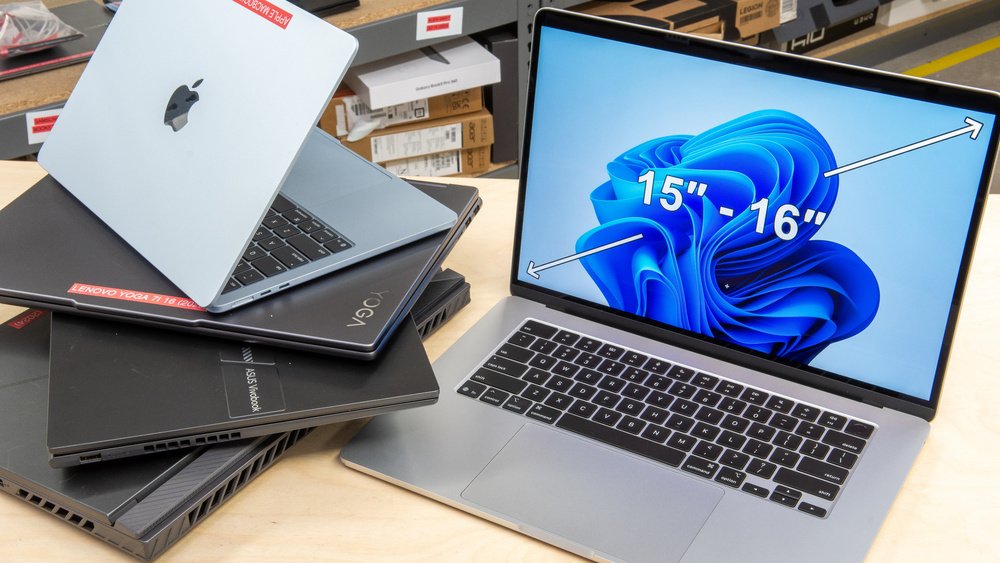
Overview Table: Laptop Specifications That Matter in 2025
| Component | What It Does | Why It Matters in 2025 | Priority Level |
|---|---|---|---|
| Processor (CPU) | Handles computing tasks | Determines speed, efficiency, and AI features | Very High |
| Graphics (GPU) | Renders visuals and accelerates workloads | Critical for gaming, creative work, and AI | High |
| RAM | Temporary working memory | Affects multitasking and future-proofing | Very High |
| Storage | Stores data and software | Impacts system speed and capacity | High |
| Display | Visual output | Influences productivity, eye comfort, and media use | High |
| Battery | Power source | Determines portability and real-world usability | Very High |
| Build Quality | Physical durability | Affects lifespan and reliability | Medium to High |
| Ports & Connectivity | External connections | Ensures compatibility and flexibility | Medium |
| Keyboard & Trackpad | Input devices | Directly affects daily comfort | Medium |
| AI & NPU | On-device intelligence | Growing importance for future software | Emerging but Important |
Introduction
Laptop Buying Guide 2025: Which Specs Really Matter? can feel more complicated than ever before. Spec sheets are longer, feature lists are more aggressive, and nearly every device is marketed as powerful, intelligent, and future-ready. For many buyers, this creates confusion rather than clarity. Clock speeds, core counts, graphics labels, and new terms related to artificial intelligence often appear important, yet their real impact on everyday performance is rarely explained in a meaningful way.
The reality is that not all specifications matter equally. Some components directly affect how fast, efficient, and comfortable a Laptop Buying Guide 2025 feels in daily use, while others exist mainly for marketing appeal. A system with impressive numbers on paper can still perform poorly if its hardware is unbalanced or poorly optimized. Understanding which specifications truly influence real-world experience is far more valuable than simply choosing the highest available configuration.
Buying a Laptop Buying Guide 2025 in 2025 is no longer a simple decision based on brand or price. The modern laptop market is shaped by rapid advances in processors, artificial intelligence acceleration, display technology, battery chemistry, and connectivity standards. Specifications that once mattered greatly have faded in importance, while others that were previously ignored now define real-world performance and longevity. For buyers, especially those upgrading after several years, this creates confusion: spec sheets are longer, marketing claims are louder, and real differences are harder to identify.
This guide is written to cut through that noise. It explains which Laptop Buying Guide 2025 specifications truly matter in 2025, why they matter, and how different users should prioritize them. The tone blends narrative explanation with analytical depth, technical clarity, and journalistic objectivity. The goal is not to promote any brand or model, but to help readers understand laptops as tools and make informed, future-ready decisions.
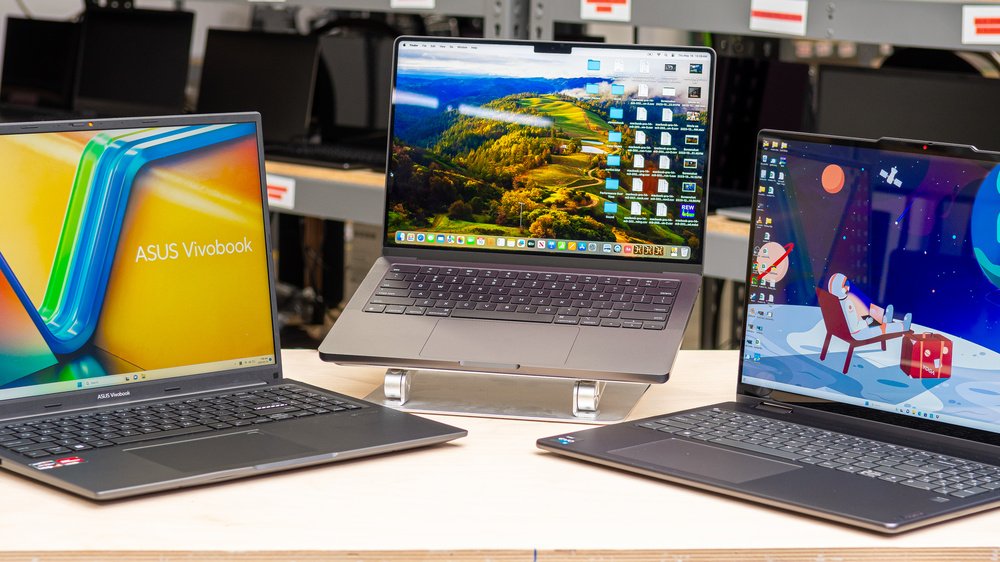
Understanding the Laptop Landscape in 2025
How Laptop Usage Has Changed
Laptop Buying Guide 2025 are no longer secondary devices. For many users, they are primary workstations, entertainment hubs, and creative tools. Remote work, cloud-based software, AI-assisted applications, and hybrid workflows have reshaped how laptops are used daily.
As a result, sustained performance, efficiency, and reliability now matter more than peak benchmark scores. A Laptop Buying Guide 2025 must perform consistently over long sessions without overheating, throttling, or draining its battery rapidly.
Marketing vs Practical Reality
Manufacturers emphasize headline numbers such as high clock speeds, large core counts, or ultra-high-resolution displays. While these specifications sound impressive, they do not always translate into better real-world experience.
Understanding how components work together is more important than chasing the highest number on a spec sheet.
Processor: The Core of Laptop Performance
CPU Architecture Matters More Than Speed
In 2025, processor architecture is more important than raw clock speed. Modern CPUs focus on efficiency, intelligent task distribution, and heterogeneous core designs that balance performance and power consumption.
Laptop Buying Guide 2025 now rely heavily on performance cores for demanding tasks and efficiency cores for background operations. This balance directly affects battery life and responsiveness.
Core Count and Threading
More cores do not automatically mean better performance. For everyday tasks such as browsing, office work, and media consumption, mid-range CPUs perform nearly as well as high-end ones.
High core counts matter most for video editing, software development, data analysis, and heavy multitasking. Buyers should match CPU capabilities to actual workloads rather than theoretical maximums.
Thermal Design and Sustained Performance
A powerful processor is useless if the Laptop Buying Guide 2025 cannot cool it effectively. Thin laptops often throttle performance under sustained load.
In 2025, efficient cooling design is a hidden but critical factor. Two Laptop Buying Guide 2025 with the same CPU can perform very differently depending on thermal management.
Graphics: Integrated vs Dedicated GPUs
Integrated Graphics Are Stronger Than Ever
Integrated GPUs in 2025 are significantly more capable than in the past. They handle everyday graphics, light creative work, and casual gaming efficiently.
For most users, modern integrated graphics are sufficient and offer better battery life and quieter operation.
When Dedicated GPUs Make Sense
Dedicated GPUs remain essential for gaming, 3D modeling, video editing, machine learning, and advanced creative workflows.
However, they increase cost, power consumption, and heat. Buyers should choose them only if their work genuinely benefits from GPU acceleration.
GPU Memory and Architecture
Video memory capacity and architecture affect performance more than raw specifications. Efficient memory usage and optimized drivers play a larger role than sheer size.
RAM: The Most Underrated Specification
Why RAM Matters More in 2025
Applications are heavier, browsers use more memory, and multitasking is the norm. In 2025, insufficient RAM is one of the most common performance bottlenecks.
A Laptop Buying Guide 2025 with a fast processor but low RAM will feel slow under real-world usage.
How Much RAM Is Enough
For basic usage, a baseline level is acceptable, but for longevity and comfort, more RAM ensures smoother performance over time.
Users who plan to keep their Laptop Buying Guide 2025 for several years should prioritize higher RAM capacity even over CPU upgrades.
Upgradable vs Soldered RAM
Many modern Laptop Buying Guide 2025 use soldered memory, limiting future upgrades. This makes choosing the right amount at purchase critical.
Upgradability adds value, flexibility, and extends the usable life of the device.
Storage: Speed, Type, and Capacity
SSDs Are Non-Negotiable
In 2025, solid-state storage is standard. Traditional hard drives are obsolete for primary storage due to slow speeds and higher failure rates.
The difference between a fast and slow SSD is noticeable in boot times, app launches, and file transfers.
Capacity Planning
Storage needs vary widely. Cloud usage reduces dependency on local storage, but creative professionals still require large capacities.
Running out of storage affects performance and productivity. Buyers should plan for growth, not just current needs.
Reliability and Longevity
Storage quality impacts data safety. Endurance ratings and controller efficiency matter, especially for heavy workloads.
Display: More Than Just Resolution
Resolution vs Practical Use
Higher resolution improves sharpness, but it also increases power consumption. For many screen sizes, extremely high resolutions offer diminishing returns.
Balance between clarity and efficiency is key.
Refresh Rate and Smoothness
Higher refresh rates improve scrolling, animations, and responsiveness. While not essential for everyone, they enhance overall user experience.
For creative and productivity users, consistency and color accuracy often matter more than refresh rate.
Color Accuracy and Brightness
Color accuracy is critical for design, photography, and video work. Brightness affects usability in different lighting conditions.
Displays that reduce eye strain and support wide color gamuts improve long-term comfort.
Battery Life: Real-World Endurance
Manufacturer Claims vs Reality
Advertised battery life is often measured under ideal conditions. Real-world usage varies significantly based on workload, display settings, and connectivity.
Buyers should focus on efficiency rather than absolute battery size.
Efficiency as a Design Goal
Modern Laptop Buying Guide 2025 prioritize power efficiency through optimized processors, displays, and software integration.
A well-optimized system with a smaller battery can outperform a poorly optimized one with a larger battery.
Charging Speed and Flexibility
Fast charging and universal charging standards improve convenience. Being able to recharge quickly reduces dependence on long battery life.
Build Quality and Design
Materials and Durability
Build quality affects how a Laptop Buying Guide 2025 ages. Strong hinges, rigid frames, and quality materials reduce wear and damage over time.
A durable Laptop Buying Guide 2025 retains performance and usability longer.
Portability and Weight
Thin and light designs improve portability but can compromise cooling and upgradeability.
Users must balance mobility with performance needs.
Ports, Connectivity, and Expansion
Port Selection Still Matters
Despite wireless advancements, physical ports remain essential. External displays, storage devices, and peripherals rely on reliable wired connections.
A lack of ports increases dependency on adapters.
Wireless Standards
Modern wireless connectivity affects speed, stability, and latency. Strong wireless performance improves cloud workflows and remote work.
Keyboard, Trackpad, and Input Experience
Daily Interaction Quality
The keyboard and trackpad are the primary interfaces between user and machine. Poor input quality leads to fatigue and frustration.
Comfort, feedback, and reliability matter more than design aesthetics.
Longevity of Input Components
Keyboards and trackpads experience the most wear. Quality components maintain consistency over years of use.
AI Features and NPUs
The Rise of On-Device AI
In 2025, Laptop Buying Guide 2025 increasingly include dedicated hardware for AI tasks. These components handle background intelligence efficiently without draining the CPU or GPU.
AI acceleration supports features such as real-time transcription, image processing, and intelligent power management.
Future Software Compatibility
As software increasingly integrates AI features, having appropriate hardware ensures better performance and longer relevance.
Operating System and Software Optimization
Hardware and Software Alignment
Performance depends on how well software utilizes hardware. A balanced system outperforms one with mismatched components.
Optimized operating systems improve efficiency, security, and user experience.
Matching Specs to User Profiles
Students and General Users
For everyday tasks, balance and efficiency matter more than raw power. Comfortable input, good battery life, and sufficient RAM should be priorities.
Professionals and Creators
Creative and technical professionals benefit from stronger CPUs, more RAM, accurate displays, and reliable cooling.
Gamers and Power Users
Gaming and high-performance tasks require dedicated GPUs, effective thermal design, and high-refresh displays.
Common Buying Mistakes to Avoid
Overpaying for Unused Power
Buying excessive performance for simple tasks wastes money and battery life.
Ignoring Long-Term Needs
Choosing minimal specs limits lifespan. Planning for future requirements prevents early upgrades.
Falling for Marketing Terms
Buzzwords often hide trade-offs. Understanding fundamentals leads to better decisions.
Sustainability and Repairability
Environmental Considerations
Longevity reduces environmental impact. Repairable and upgradeable designs extend device life.
Right to Repair Trends
Increased awareness of repairability empowers consumers to demand better-designed products.
Conclusion
The Laptop Buying Guide 2025 is not defined by the highest specifications but by the right balance of components tailored to the user’s needs. Understanding which specs truly matter allows buyers to invest wisely, avoid unnecessary compromises, and choose a device that remains reliable and relevant for years.
Processors, RAM, storage, display quality, and battery efficiency form the foundation of a good Laptop Buying Guide 2025 experience. Emerging elements such as AI acceleration add future value, while build quality and input comfort determine daily satisfaction.
By approaching Laptop Buying Guide 2025 buying as a practical decision rather than a marketing-driven one, users can cut through complexity and choose technology that genuinely supports their work, creativity, and lifestyle.